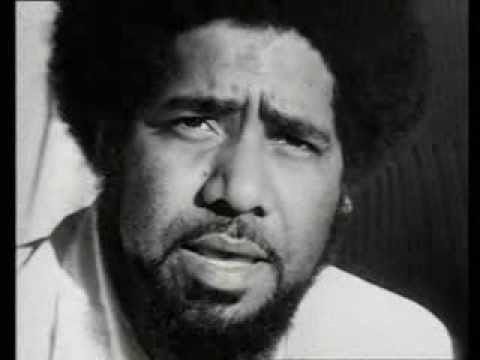
Early Life and Cultural Roots
Born on 25 November 1939 on Palm Island in Queensland, Maza came from strong cultural heritage—Meriam (Torres Strait Islander) and Yidinji (North Queensland Aboriginal). Growing up in a close-knit Indigenous community, he witnessed firsthand the challenges faced by Aboriginal and Torres Strait Islander peoples, experiences that deeply informed his future work.
Rise in Theatre and Film
Bob Mza played a pivotal role in establishing an Indigenous presence in Australian performing arts.
Key Contributions
- Co-founder of the National Black Theatre in Redfern in the early 1970s, a major platform for Indigenous artists.
- Featured in acclaimed dramas and films, including:
- The Chant of Jimmie Blacksmith
- Women of the Sun
- Barney
- Worked as an actor, writer, and director, expanding opportunities for Indigenous performers at a time when representation was minimal.
Playwriting and Directing
Maza’s writing explored themes such as identity, cultural pride, and social inequality. His notable works include:
- “The Keepers”
- “Mereki”
- The Rainbow Serpent Theatre Project
Through these works, he challenged stereotypes and revitalized Indigenous storytelling traditions for modern audiences.
Activism and Cultural Leadership
Beyond theatre, Bob Maza was a committed Indigenous rights advocate.
His Activism Highlights
- Represented Indigenous Australians at the United Nations in 1970, speaking on discrimination and land rights.
- Served as Chairman of the Aboriginal Arts Board, helping to secure funding and visibility for Indigenous creatives.
- Mentored the next generation of Indigenous artists—including his daughters, Rachael and Lisa Maza.
His activism was grounded in self-determination, cultural identity, and creating long-term opportunities for Indigenous communities.
Awards and Recognition
Bob Maza received multiple honours acknowledging his influence, including:
- Member of the Order of Australia (AM) in 1993
- National recognition for his lifelong dedication to the arts
- Posthumous tributes honoring his contributions to Indigenous theatre
Legacy
Even after his passing in 2000, Bob Maza’s legacy continues to shape Australia’s cultural landscape.
He is remembered as:
- A founding pillar of Indigenous theatre
- A fearless advocate for equality and cultural representation
- A skilled storyteller who used art to advance social change
Today, the Bob Maza Fellowship, awarded by Screen Australia, ensures emerging Indigenous actors receive the support and recognition he once fought for.
Conclusion
Bob Maza’s life is a powerful reminder of how storytelling, cultural pride, and activism can transform a nation’s understanding of its people. His contributions continue to inspire new generations of Indigenous performers, writers, and leaders.